Can dogs eat
Squash?
Yes
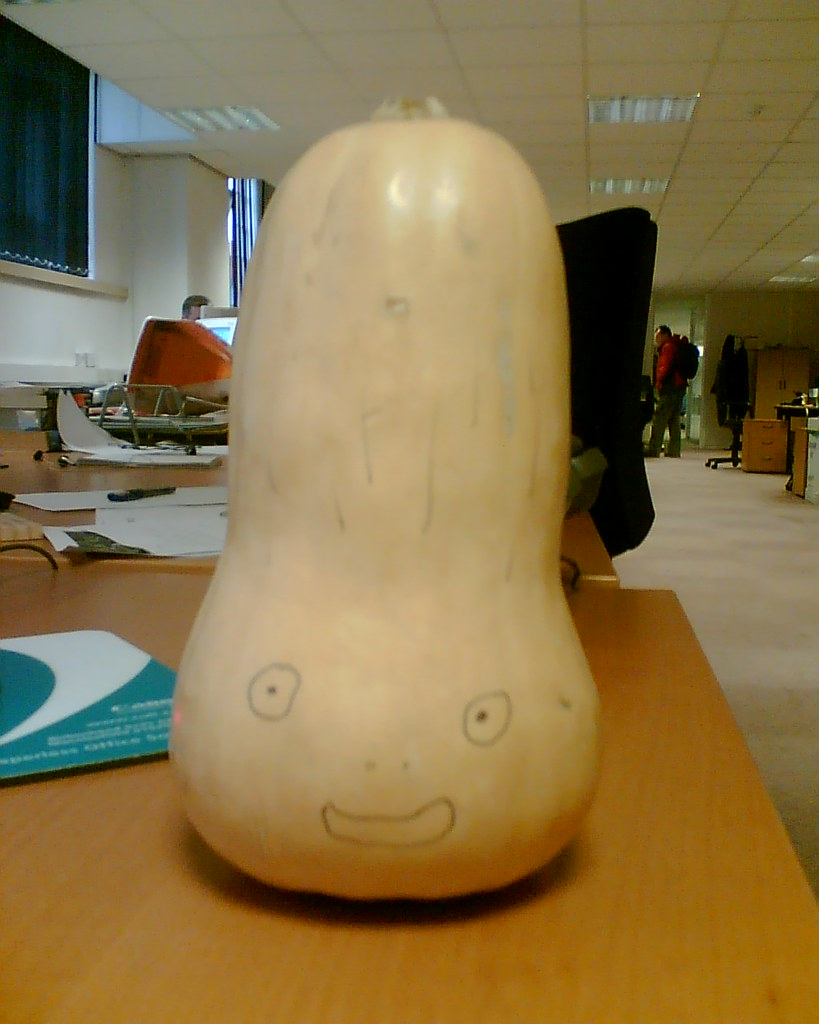
Yes. Plain cooked squash, such as butternut, acorn or zucchini, is safe for dogs when the seeds and tough rind are removed.
Why it’s safe
Squash is a gentle vegetable that most dogs tolerate well. PetMD notes that it provides potassium, fiber and vitamins A and C, and that butternut squash also contains beta-carotene. AKC lists zucchini as the easiest squash for dogs to digest.
The flesh is the useful part. The rind of hard winter squash such as butternut and acorn can be hard to digest, and the seeds should be removed from all squash before serving. Squash should also be served plain. Butter, salt, onion and garlic are common in squash recipes and are not suitable for dogs. Pumpkin pie filling is a different product from plain squash or pumpkin and can contain xylitol, which is toxic to dogs.
Squash is a good option for adding variety, but it is not a medicine. Too much can cause gas, bloating or loose stools, so introduce it gradually. Use plain cooked pumpkin as a similar choice (see pumpkin).
Benefits
- Source of fiber, vitamins A and C, and potassium
- Soft when cooked, so easy to mash into meals
- Zucchini is the easiest squash for dogs to digest, per AKC
- Many dogs enjoy the mild sweet flavor
Risks
- Rind and seeds can be hard to digest and cause choking
- Seasoned or sweetened squash dishes may contain onion, garlic, salt or sugar
- Too much can cause gas, bloating or diarrhea
- Pumpkin pie filling may contain xylitol
How to serve it safely
Wash and peel hard squash, scoop out the seeds, and cut the flesh into small pieces. Steam, boil or roast it plain until soft, let it cool, and serve it cubed or mashed. Zucchini skin can stay on if the squash is cut into bite-size pieces.
Treats should stay under 10% of daily calories, and squash counts toward that. Small dogs need only a few small cubes, and larger dogs can have somewhat more. Mix it into regular food or use it as a topper. Introduce it slowly, avoid all added fats, salt, sugar or spices, and check with your vet first if your dog is on a prescription diet or has a health condition.
Related forms
| Food | Verdict | Why |
|---|---|---|
| Cooked butternut or acorn squash (no rind, no seeds) | Yes | Plain, cubed or mashed. |
| Zucchini and yellow squash | Yes | Skin can stay on if cut into bite-size pieces. |
| Squash seeds | With caution | Remove them before serving. |
| Seasoned or sweetened squash dishes | No | Salt, sugar, spices, onion or garlic. |
If your dog already ate it
A few bites of plain squash will not harm a healthy dog. If your dog ate a lot, you may see gas or loose stools; offer water and monitor.
If your dog swallowed a hard piece of rind or a lot of seeds, or ate a seasoned dish, call your vet if you see repeated vomiting, a painful belly, no appetite or straining. Squash cooked with onion, garlic or xylitol-sweetened ingredients is more urgent: contact your vet, ASPCA Animal Poison Control at (888) 426-4435 or Pet Poison Helpline at (855) 764-7661 (US; fees may apply), or your local emergency vet. Do not try to make your dog vomit at home.
Frequently asked questions
Can dogs eat squash skin?
PetMD says zucchini skin can stay on if the squash is cut into bite-size pieces. Remove the skin from butternut, acorn and other winter squash, since it can be hard to digest.
Can dogs eat raw squash?
Plain steamed or roasted squash is easiest to digest. If you offer zucchini raw, keep the pieces small and watch for stomach upset.
Is squash good for dogs with diarrhea?
It is gentle and contains fiber, but diarrhea that lasts more than a day or two, or comes with vomiting or lethargy, needs a vet check.
Can dogs eat squash seeds?
Remove them to be safe. Both AKC and PetMD advise taking the seeds out before serving.
Written from veterinary sources by the Pawsplained editorial team. Not yet reviewed by a veterinarian; this is general information, not a diagnosis or treatment plan. Updated Oct 25, 2026. Editorial policy
Sources
Safer alternatives
More vegetables
All foods- AsparagusIn moderation
- BeansIn moderation
- BeetsIn moderation
- Bell PeppersYes
- BroccoliIn moderation
- Brussels SproutsIn moderation
- CabbageIn moderation
- CauliflowerYes
- CeleryYes
- ChickpeasIn moderation
- CornWith caution
- CucumbersYes
- EdamameIn moderation
- GarlicNo
- LettuceYes
- MushroomsWith caution
- OlivesIn moderation
- OnionsNo