Can dogs eat
Mushrooms?
With caution
Plain store-bought mushrooms are not considered toxic to dogs, but wild mushrooms are an emergency: some are deadly, and you cannot tell safe from dangerous by looking.
What to watch out for
Two very different things share this name. PetMD says mushrooms found at grocery stores and prepared for human consumption are not considered toxic to dogs, and the AKC says they may be generally safe, but dogs do not need mushrooms in their diet. Anything cooked with oils, butter, seasonings, garlic or onion should not be shared.
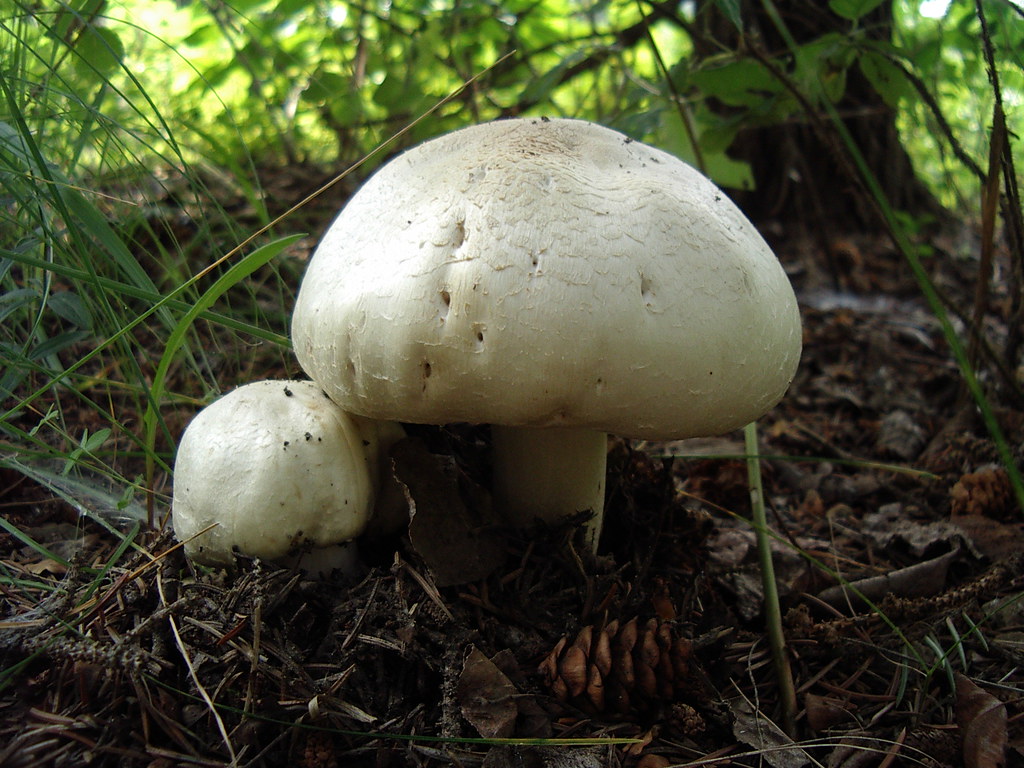
Wild mushrooms are the danger. Most are non-toxic, but some are among the most poisonous things a dog can eat. PetMD says cyclopeptide-containing mushrooms, mainly Amanita, Galerina and Lepiota species, are the most toxic to both dogs and humans, while other groups can cause stomach problems or affect the nervous system. Signs of poisoning can appear within 15 to 20 minutes or be delayed up to a day, and liver and kidney damage can appear 24 to 48 hours after ingestion. The AKC notes that with Amanita poisoning a dog can seem to recover for a time before liver and kidney failure develop.
Because identification is unreliable, veterinarians recommend treating all wild mushrooms as potentially toxic. The AKC adds that the idea dogs can sense toxins by scent is not true. Do not wait for symptoms, and do not spend time trying to identify the mushroom yourself.
Risks
- Wild mushrooms can cause liver and kidney failure, neurological signs, or severe gastrointestinal illness, and some are fatal
- Symptoms may be delayed, and a dog can seem to recover before organ damage develops
- Mushrooms cooked with butter, oil, onion, garlic or seasoning are not appropriate
- Foraged mushrooms cannot be reliably told apart from toxic ones, so never feed them
What to give instead
Dogs do not need mushrooms, and the AKC suggests treats like carrot sticks or apple slices instead. If you do share mushrooms, use only plain, washed mushrooms bought from a grocery store, with no oil, butter, salt, garlic or onion, and keep it to an occasional small amount within the treat limit of 10% of daily calories.
Never feed foraged mushrooms, mushroom supplements or products from unknown sources. If in doubt, offer something like green beans instead.
Related forms
| Food | Verdict | Why |
|---|---|---|
| Plain store-bought mushrooms | In moderation | Washed and unseasoned, in small amounts; not a necessary food. |
| Cooked mushrooms with butter, garlic or onion | No | Oils, butter, seasonings, garlic and onion can be harmful. |
| Wild or foraged mushrooms | No | Emergency; some species can be fatal. |
| Magic or psychedelic mushrooms | No | PetMD lists hallucinogenic species such as Psilocybe among the toxic groups; call a vet or poison line immediately. |
If your dog already ate it
If your dog has eaten, or may have eaten, a wild mushroom, act immediately: call your vet or an emergency clinic, or call ASPCA Animal Poison Control at (888) 426-4435 or Pet Poison Helpline at (855) 764-7661 (US; fees may apply). Outside the US, contact your local emergency vet. Do this even if your dog looks fine. If your dog is already showing signs of illness, PetMD advises getting immediate veterinary care before trying to identify the mushroom.
Signs can include vomiting, diarrhea, lethargy, abdominal pain, tremors, seizures or paralysis, depending on the species. If it is safe, PetMD and the AKC advise saving any mushroom parts found in your dog's mouth or vomit, wrapped in a paper towel or wax paper and kept in a paper bag, for your vet to identify. Do not try to make your dog vomit at home.
Frequently asked questions
Can dogs eat mushrooms from the grocery store?
PetMD says mushrooms found at grocery stores and prepared for human consumption are not considered toxic to dogs. They need to be unseasoned, and they are an optional extra.
My dog ate a mushroom in the yard. What do I do?
Call your vet or a pet poison line straight away, and save a sample if you can. Do not wait for symptoms and do not induce vomiting yourself.
How can I tell if a wild mushroom is poisonous?
You cannot reliably tell. The AKC notes that even experienced foragers make mistakes, so treat every wild mushroom as a possible poison.
How can I keep my dog away from mushrooms in the yard?
Check the yard regularly, especially after rain, and remove mushrooms with a bag or gloves. Supervise or leash your dog in wooded areas.
Written from veterinary sources by the Pawsplained editorial team. Not yet reviewed by a veterinarian; this is general information, not a diagnosis or treatment plan. Updated Oct 25, 2026. Editorial policy